Fes, Morocco: The Ultimate Guide to the City of History and Culture
Fes is not a city you simply visit. It is a city you enter. From the moment you step inside its ancient gates, time seems to slow down. The noise of modern life fades, replaced by the echo of footsteps on stone streets, the call to prayer floating above rooftops, and the soft hum of craftsmen at work. For travelers, writers, and culture lovers, Fez city offers something rare in today’s fast-moving world authenticity.
This is not a destination built for trends. Fes does not chase attention. Instead, it quietly holds centuries of stories in its walls, its people, and its traditions. Whether you arrive seeking history, spirituality, art, or simple human connection, Fes meets you exactly where you are.
This article explores Fes in depth its past, its present, and the feeling it leaves behind.
Table of Contents
The Birth of a Legendary City – Fez
Fez was founded in the late 8th century by Idris I and later expanded by his son Idris II. From the beginning, it was designed to be more than a settlement. It was meant to be a center of learning, faith, and culture. Over time, waves of immigrants from Andalusia, Kairouan, and across the Islamic world shaped Fes into a rich cultural mosaic.
By the Middle Ages, Fez had become one of the most important cities in North Africa. Scholars traveled from distant lands to study theology, astronomy, mathematics, medicine, and philosophy. Traders brought goods from sub-Saharan Africa, the Mediterranean, and the Middle East. Kings and dynasties rose and fell, but Fes remained the intellectual heart of Morocco.
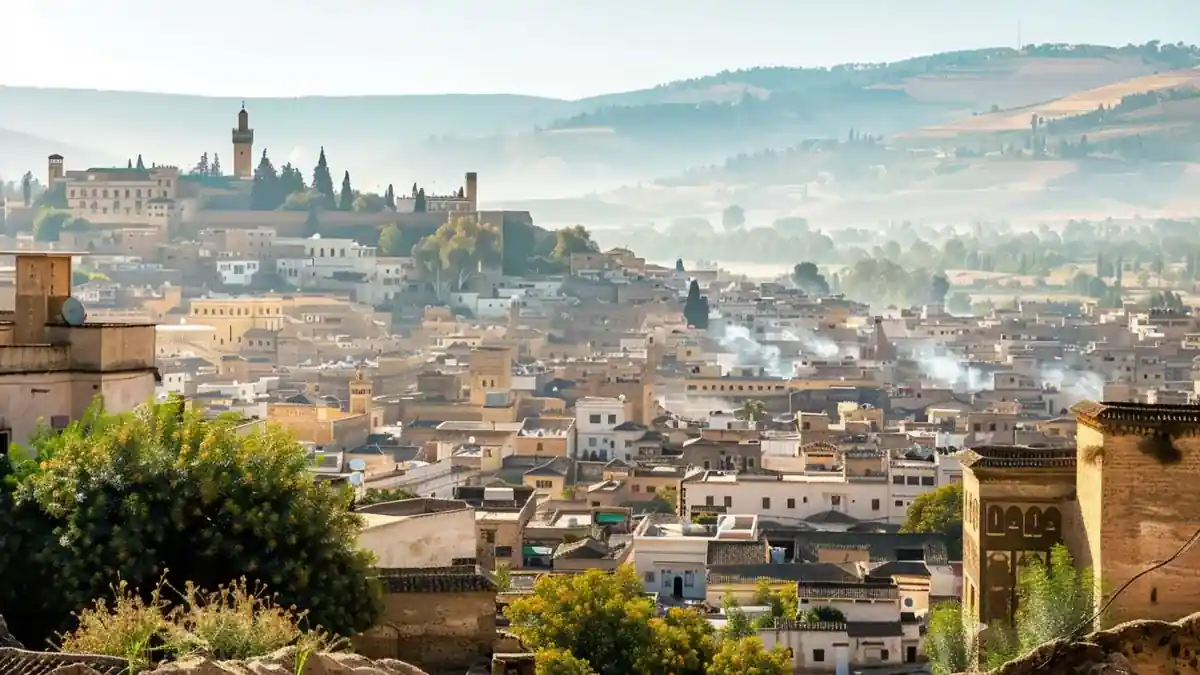
Today, walking through Fes is like walking through a living timeline. Every neighborhood reflects a different chapter of history, yet the city never feels frozen in the past. It lives, breathes, and evolves.
Fez el-Bali: The World’s Largest Living Medina
At the core of Fes lies Fes el-Bali, the old medina. Recognized as a UNESCO World Heritage Site, it is one of the largest and best preserved medieval cities in the world. With more than 9,000 narrow streets and alleyways, it is also the largest car-free urban zone on Earth.
Inside the medina, modern transportation disappears. Instead, you see donkeys carrying goods, carts navigating stone paths, and people walking with purpose. Life moves at a pace that feels human again.
A Maze That Teaches You to Slow Down
Getting lost in Fes el-Bali is inevitable and that’s exactly how you discover its magic. Each turn reveals something new:
- A tiny bakery sending warm bread smells into the street
- A fountain hidden behind carved cedar doors
- A family workshop where three generations shape metal by hand
This is not a place to rush. It invites you to wander without direction, to stop when curiosity pulls you, and to listen more than you speak.
The Intellectual Soul of Fez
One of the city’s greatest treasures is Al-Qarawiyyin University, founded in 859 by Fatima al-Fihri. Recognized by UNESCO and Guinness World Records as the oldest continuously operating university in the world, it stands as a symbol of knowledge and inclusion.
For centuries, Al-Qarawiyyin attracted thinkers from across cultures. Its students studied not only Islamic sciences, but also grammar, medicine, and logic. The university shaped generations of leaders and scholars.
Nearby, the Bou Inania Madrasa reflects the artistic brilliance of Moroccan architecture. Its walls glow with intricate zellige tiles, carved plaster, and cedar wood ceilings. More than a building, it feels like a meditation in design.
The Tanners of Chouara: A Living Tradition
Few sights are as iconic as the Chouara Tannery. From above, the tannery looks like a giant mosaic of stone vats filled with natural dyes saffron yellow, indigo blue, poppy red.
Here, leather is still prepared using methods passed down for nearly a thousand years. Workers step barefoot into vats of dye, shaping raw hides into soft leather.
It is not glamorous work. It is demanding and physical. Yet the pride in craftsmanship is visible. Every bag, slipper, or jacket sold in Fes carries the story of hands that shaped it.
Fes: Capital of Moroccan Craft
If Morocco is known for its craftsmanship, Fes is its beating heart.
Traditional Arts You’ll Find in Fez
- Ceramics: Deep blue and white designs unique to the city
- Metalwork: Brass lanterns, copper trays, and engraved teapots
- Wood carving: Doors, furniture, and decorative panels
- Textiles: Handwoven blankets and carpets
- Leather goods: From babouches to travel bags
These are not factory products. They are created slowly, intentionally, and with pride. Many artisans learned their skills from parents and grandparents, keeping traditions alive in a world of mass production.
Watching an artisan work in Fes is like watching history in motion.
A City That Feeds the Soul: Food in Fes
Fes is often called Morocco’s culinary capital. Its cuisine reflects refinement, patience, and deep respect for ingredients.
Signature Dishes
- Pastilla: A delicate blend of sweet and savory flavors wrapped in flaky pastry
- Tagine: Slow-cooked stews of meat, vegetables, and spices
- Harira: A comforting soup of tomatoes, lentils, and herbs
- Rfissa: Chicken with lentils and fenugreek, served over shredded bread
- Mint tea: A daily ritual, not just a drink
Food in Fes is never rushed. Meals are moments of connection — with family, friends, and guests. Even in small street cafes, hospitality feels genuine.
The Spiritual Center of Morocco
Fes has long been considered Morocco’s spiritual capital. The city holds countless mosques, zawiyas, and Quranic schools that shape its rhythm.
Religion here is not loud or forced. It is gentle, woven into daily life. Five times a day, the call to prayer drifts over rooftops, creating a shared pause.
Even visitors who do not follow Islam often describe feeling calm in Fes. There is something grounding about a city that remembers silence.
The Two Faces of Fez
Fes is a city of contrast.
The Ancient Side
- Fes el-Bali
- Traditional markets
- Historic mosques and madrasas
The Modern Side: Ville Nouvelle
Built during the French protectorate, Ville Nouvelle offers wide boulevards, cafes, shopping centers, and modern hotels. Here, you see students with laptops, families at coffee shops, and artists shaping contemporary culture.
Together, these two worlds create balance. You can spend your morning exploring medieval streets and your evening enjoying modern comfort.
Life Inside the Riads
One of the most beautiful ways to experience Fes is by staying in a riad a traditional Moroccan home built around a central courtyard.
From the outside, riads appear modest. Step inside, and you enter a private world of fountains, tiled walls, and quiet gardens.
Many riads in Fes are centuries old, restored with care. They offer travelers more than accommodation they offer intimacy with history.
Markets That Tell Stories
The souks of Fes are not just places to shop. They are living theaters of daily life.
In the spice market, colors pile high in baskets. In the carpenter’s street, wood shavings cover the ground. In the book market, old manuscripts wait quietly for new readers.
Every seller has a story. Many will invite you to sit, talk, and drink tea not because they want to sell, but because conversation matters here.
The Rhythm of Daily Life
Mornings in Fes begin early. Bakers open their ovens. Shopkeepers sweep their doorways. Children walk to school through ancient streets.
Afternoons slow down. Evenings bring families together in courtyards and cafes.
Life here is not perfect. It is real. And that reality is what makes Fes unforgettable.
Best Time to Visit Fez
The best seasons to explore Fes are:
- Spring (March to May): Mild weather and blooming gardens
- Fall (September to November): Comfortable temperatures and lively streets
Summer can be very hot, especially inside the medina. Winter evenings can be cool, but the city remains charming year-round.
Fez Through the Eyes of Travelers
Many visitors arrive in Fes with expectations shaped by photos and videos. They leave with something deeper.
They talk about:
- The kindness of strangers
- The beauty of silence in old courtyards
- The feeling of being part of a story older than themselves
Fes is not flashy. It is meaningful.
Why Fez Matters in a Modern World
In a time when cities race to become bigger, faster, and louder, Fes chooses to remain human.
It teaches patience in a world of speed.
It teaches listening in a world of noise.
It teaches depth in a world of surface.
That is why Fes stays with people.
Discover More of Morocco
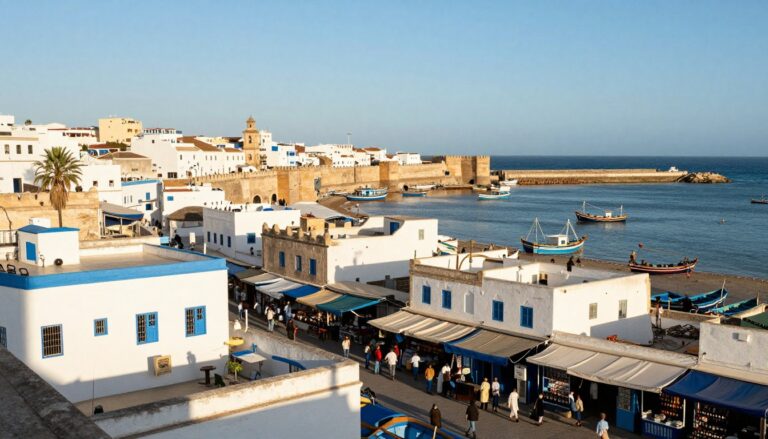
Fes often becomes the starting point for travelers who fall in love with Morocco’s depth and want to explore more of the country’s character. After immersing yourself in the spiritual and cultural atmosphere of the city, many visitors continue their journey toward the Atlantic coast to experience the calm beauty of Essaouira a place known for its ocean breeze, artistic soul, and relaxed rhythm of life that feels worlds apart from the busy medina of Fes.
Others feel drawn to the vibrant energy of Marrakech, where lively squares, colorful souks, and historic palaces create a powerful contrast to the quiet alleys of Fes. Moving between these two cities allows travelers to experience both the spiritual depth and the energetic pulse of Morocco in one unforgettable journey.
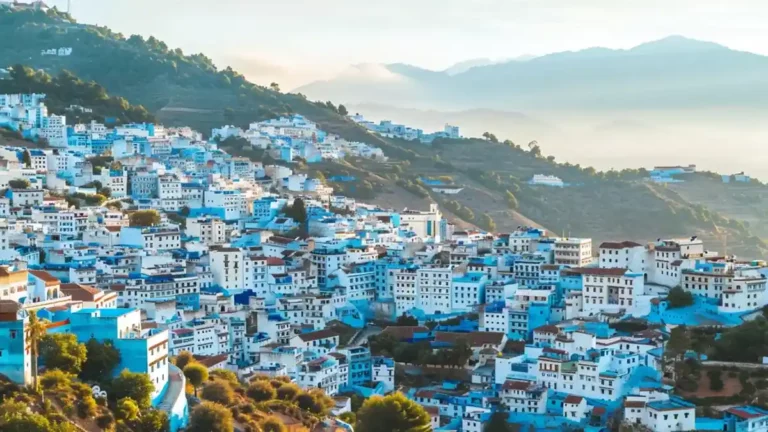
For those who love peaceful scenery and photography, Chefchaouen offers a completely different mood. After the earthy tones of Fes, the Blue City feels like stepping into a dream painted in soft shades of blue, where time slows and every corner invites reflection.
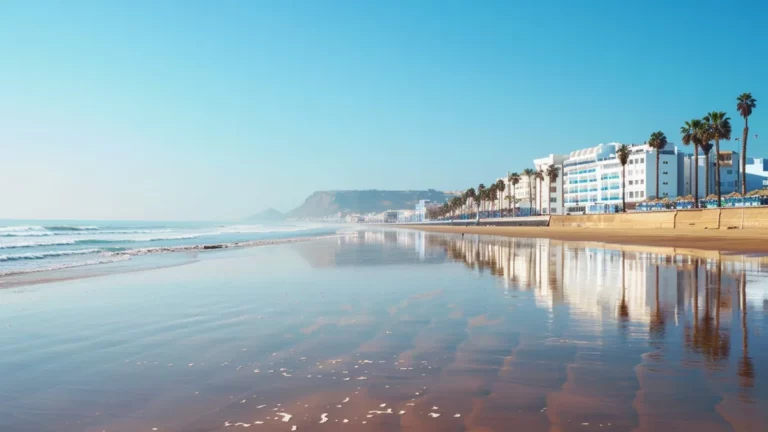
If sunshine and seaside life are part of the plan, Agadir provides a modern coastal escape with long beaches, fresh seafood, and a laid-back atmosphere that balances perfectly with the historic depth of Fes.
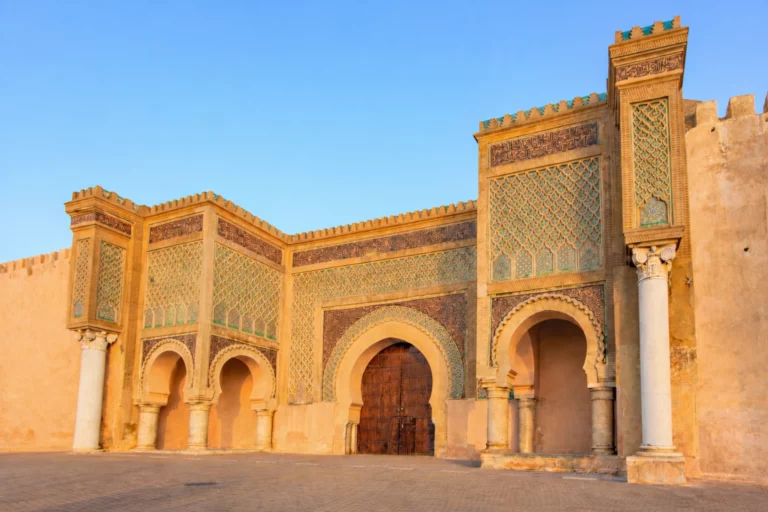
And just a short journey away lies Meknes, another imperial city that shares Morocco’s royal heritage but in a calmer, less crowded setting. Its grand gates and peaceful medina make it a natural continuation for travelers who want to explore Morocco beyond the well‑known paths.
Final Reflection
To write about Fes is to write about memory, identity, and continuity. This city does not offer perfection it offers truth.
You may forget the names of streets. You may lose your way more than once. But you will never forget the feeling of standing in a quiet alley at sunset, hearing the city breathe around you.
For your blog readers, Fes is more than a destination. It is an invitation to slow down, to look closer, and to remember that travel is not about how far you go, but how deeply you feel.
Once you walk through this amazing city, you don’t just leave with photos. You leave with a story and that story becomes part of you.